FOMO & urgency
Recognize when speed replaces confirmation.
Measure the decision habits that appear before, during and after a trade. Your 25-question Discipline Profile turns self-reflection into a clear, repeatable improvement plan.
Build My Discipline Profile →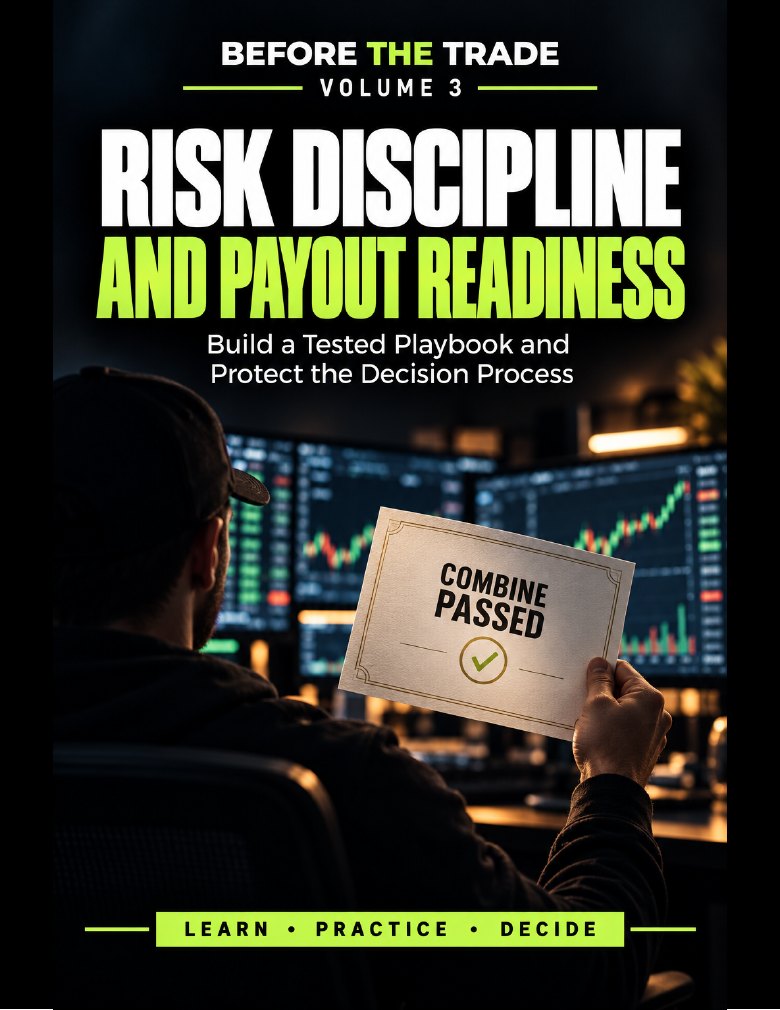 DECISION READINESS · 25 QUESTIONS · PERSONAL FEEDBACK
A moving chart can expose urgency, fear, fatigue and overconfidence. The goal is not to eliminate emotion. It is to notice when emotion is changing the process.
Recognize when speed replaces confirmation.
Spot the urge to recover a loss immediately.
See when position size or stops stop matching the plan.
Separate a lucky result from a sound decision.
Measure how effectively you reset after a mistake.
Answer honestly for the clearest feedback. This is educational self-reflection—not a clinical assessment or trade signal.